Burkina Faso Boosts Govt Stake in Gold Mining to Reclaim Resource Control
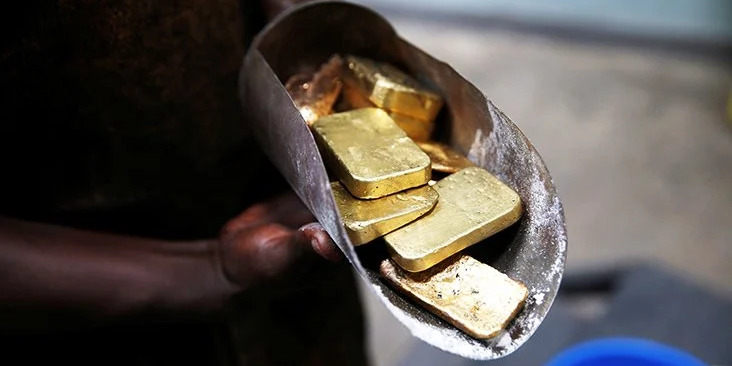
Burkina Faso has officially increased the government’s free-carried equity stake in major gold mining projects from 10% to 15%, a move aimed at capturing greater value from the country’s most important natural resource.
The change is part of the revised Mining Code adopted in August 2024, signaling a significant shift toward resource sovereignty.
This reform impacts several high-profile mining projects, including Sanbrado, Kiaka, and Toega, all operated by Australia-listed West African Resources.
The company confirmed its agreement to the new terms following negotiations with the Burkinabè government and other industry stakeholders.
In practical terms, the increase in free-carried interest means the government will now receive a larger share of profits from gold production—at no financial cost—ensuring greater public benefit from the country’s mineral wealth.
According to Mining Weekly, aside from the change in state equity, all other terms of West African Resources’ existing agreements remain intact.
“Our 2025 cost and production guidance of 190,000 to 210,000 ounces of gold at an all-in sustaining cost of less than $1,350 per ounce remains intact,”
said Richard Hyde, Chairperson of West African Resources.
He also confirmed that construction at the Kiaka project is progressing on schedule and within budget, with first gold expected in early Q3 2025.
Burkina Faso has rapidly emerged as one of Africa’s top gold producers, currently ranking fourth after Ghana, South Africa, and Sudan. Gold accounts for over 70% of the country’s export earnings, forming the backbone of its economy.
Since assuming power in 2022, Captain Ibrahim Traoré has prioritized national control over strategic resources.
The 2024 Mining Code reforms are a cornerstone of this strategy, aimed at reversing decades of foreign dominance in the mining sector and ensuring that more of the benefits remain in-country.
“Burkinabè citizens must benefit more from the country’s gold wealth,”
Traoré has emphasized in multiple public addresses.
For years, mining companies from Canada, Australia, and the UK have led exploration and production efforts in Burkina Faso, often repatriating profits while offering limited returns to local communities and the national budget. The new 15% state equity mandate marks a decisive effort to rebalance that relationship.
Burkina Faso’s mining reforms mirror a broader trend across Africa, where governments are demanding fairer deals, increased transparency, and greater national benefit from natural resources. By asserting more control, countries aim to convert mineral wealth into sustainable development and economic resilience.
West African Resources has expressed support for the revised framework, citing constructive dialogue with government and industry bodies.
With this policy shift, Burkina Faso strengthens its position not just as a major gold exporter, but as a leader in the movement for resource justice and economic self-determination on the African continent.